

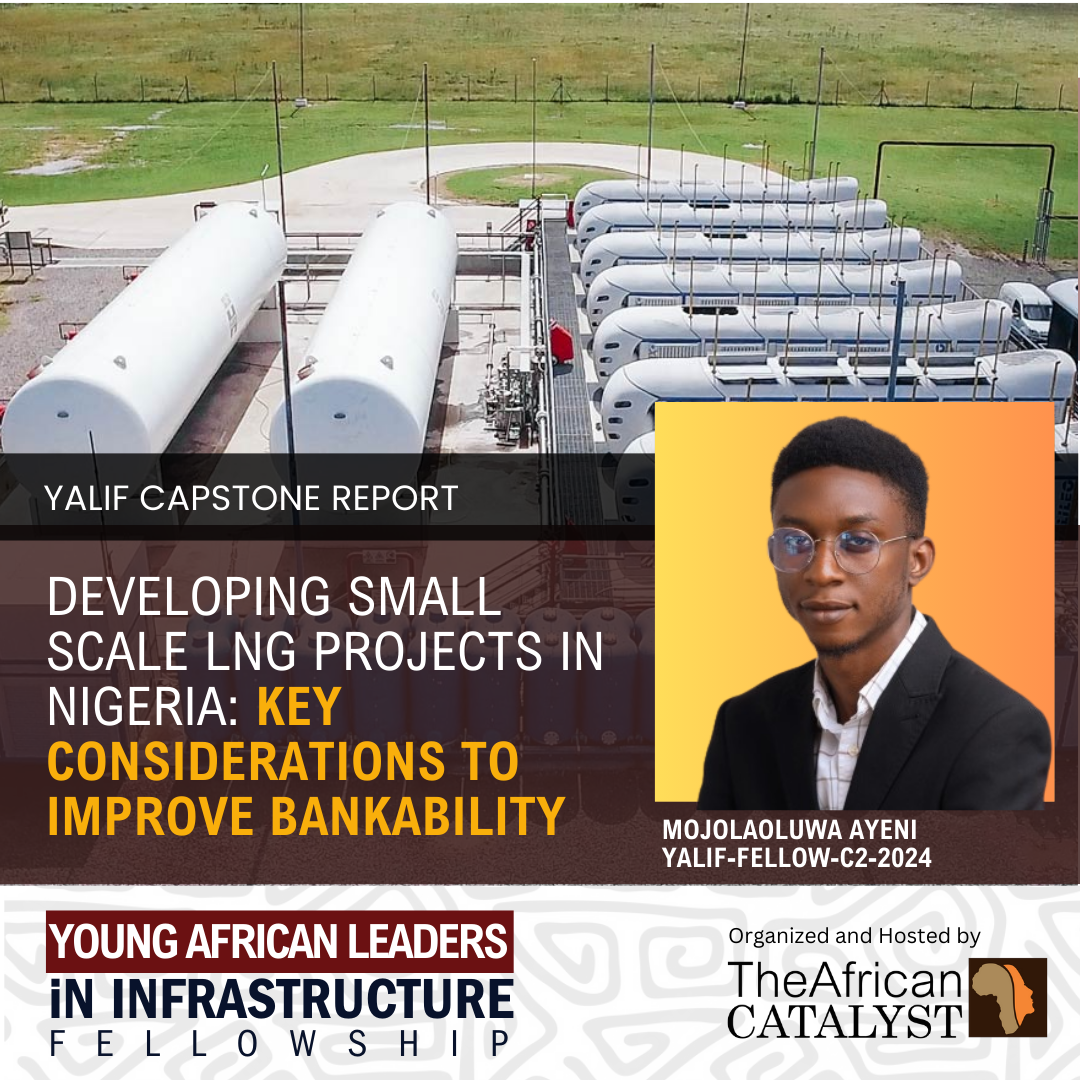
Developing Small Scale LNG Projects in Nigeria: Key Considerations to Improve Bankability
Executive Summary The Small-scale LNG Projects (ssLNG) is a strategic initiative aimed at addressing Nigeria’s challenges with gas flaring and unreliable energy access while capitalizing on the growing demand…
The African Catalyst · 13 Dec 2024 · 3 min read
Executive Summary
The Small-scale LNG Projects (ssLNG) is a strategic initiative aimed at addressing Nigeria’s challenges with gas flaring and unreliable energy access while capitalizing on the growing demand for cleaner energy solutions.
The project will be structured under a Special Purpose Vehicle (SPV), ensuring clear governance, accountability, and efficient project execution. The SPV will manage project financing, contracts, and operations, backed by a combination of development finance institutions (DFIs), private investors, and local commercial lenders. The project is designed to generate predictable cash flows through long-term offtake agreements with industrial users, power plants, and transportation sectors while minimizing construction and operational risks through fixed-price EPC contracts, and adhering to best practices in governance and sustainability. These factors form the core pillars of the Brickstone Bankability Framework, designed to make the project attractive to financiers.
Expected outcomes of the project include a significant reduction in gas flaring, job creation, improved local infrastructure, and the provision of cleaner, more affordable energy to underserved regions. Additionally, the project will support Nigeria’s economic diversification by reducing dependence on oil exports and attracting long-term investments in the gas sector.
Key highlights of the Project:
Project Concept: Capture and commercialize 3 to 10 MMscf/d of associated gas through SSLNG technology to supply both local and international markets.
Legal and Regulatory Overview: Full compliance with Nigeria’s Petroleum Industry Act, Gas Flare Commercialization Programme, and environmental regulations.
Achieving Bankability: Focus on predictable cash flows, fixed construction delivery, and sustainable governance practices.
Project Finance: Includes key project preparation steps, available credit enhancements from DFIs and export credit agencies, and government support mechanisms.
Conclusion: The SSLNG project’s alignment with Nigeria’s energy needs, sustainable practices, and financial structure makes it a highly bankable venture with substantial long-term benefits for both investors and the country.
Review Capstone Report
View the presentation on Canva
LNG Projects in Nigeria by TAC DesignLearn More about YALIF
The Young African Leaders in Infrastructure Fellowship (YALIF), developed by The African Catalyst, is an 8-week initiative aimed at empowering young leaders to address critical infrastructure gaps across Africa. Targeting professionals aged 22 to 40, the program provides a blend of theoretical knowledge and practical applications through live sessions, project-based learning, and case studies. Participants will explore key topics, including early-stage infrastructure development, financing strategies, sustainability, and risk allocation, ensuring a comprehensive understanding of the infrastructure project lifecycle.
YALIF not only develops individual skills but also positions graduates to influence Africa’s infrastructure sector through transformative projects and innovative solutions. By bridging the gap between education and employment, the fellowship prepares its participants for roles in project finance, development consultancy, and governmental planning agencies. Ultimately, YALIF focuses on cultivating a new generation of leaders equipped to tackle the continent’s infrastructure challenges while driving sustainable development.
Apply to YALIF
APPLICATION OPENS JANUARY 2025
YALIF Fellow Profile
Mojolaoluwa Ayeni
Mojolaoluwa Ayeni is a strategy and transactions consultant with extensive experience advising businesses across sectors such as education, technology, energy, FMCG, infrastructure, and logistics in Nigeria. He has led and supported projects encompassing market analysis, business strategy formulation, financial modelling, investment due diligence, feasibility studies, and project financing. Currently enhancing his expertise in project finance, Mojolaoluwa is passionate about leveraging entrepreneurship, infrastructure development, and climate finance to drive sustainable and inclusive growth across Africa.

Keep reading Knowledge Hub
Related insights
Case Studies
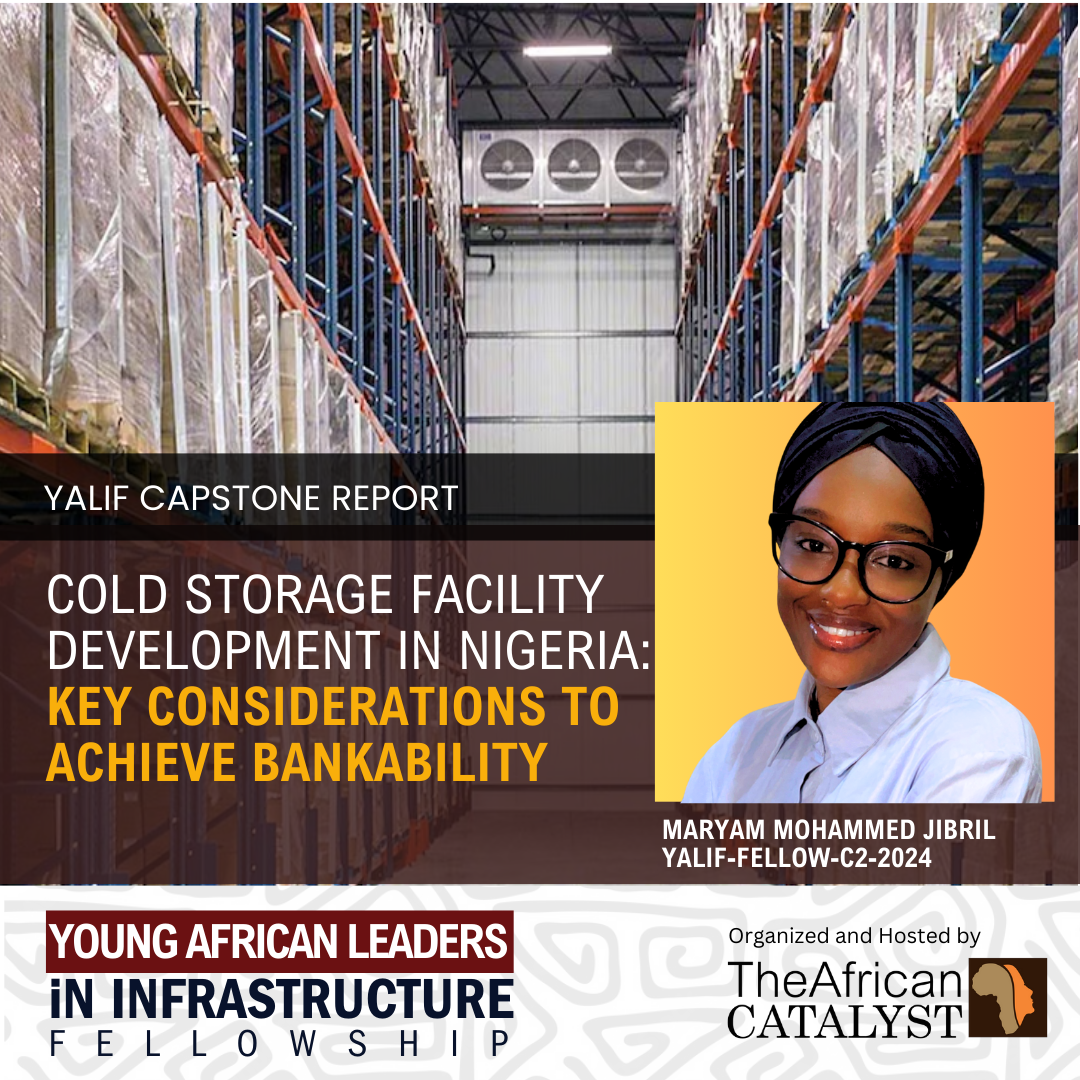
Cold Storage Facility Development in Nigeria: Key Considerations to Achieve Bankability
Executive Summary The proposed Cold Storage Facility aims to tackle the pressing issue of post-harvest losses in agriculture, particularly for perishable items such as potatoes and onions. By…
11 Oct 2024 · 3 min read
Project Stories
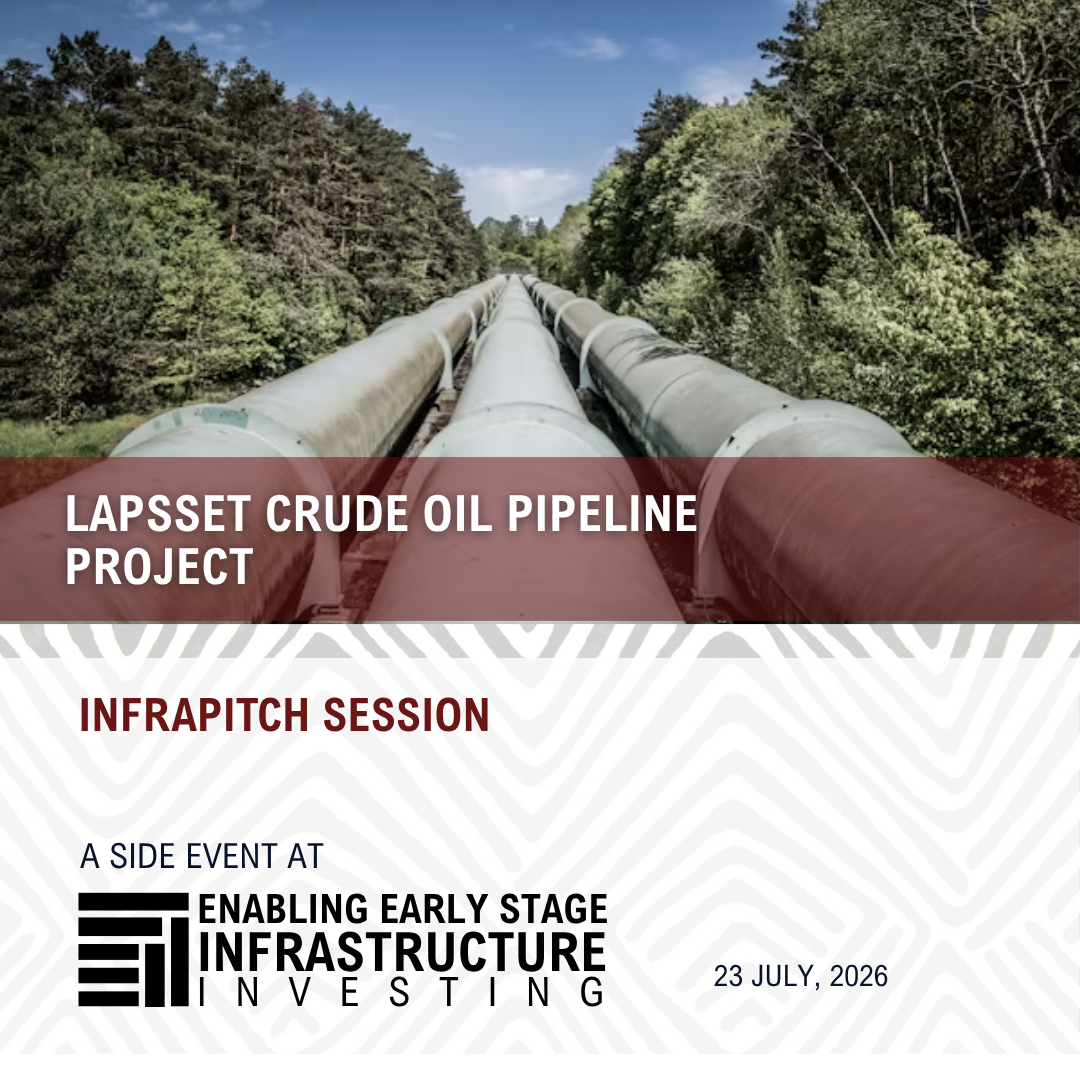
InfraPITCH: LAPSSET Crude Oil Pipeline Project
Executive Summary Case Study LAPSSET Crude Oil Pipeline Project Project Overview The second pitch, presented by Itunu Adewole, examined a cornerstone of the broader Lamu Port-South Sudan-Ethiopia Transport (LAPSSET)…
24 Jul 2026 · 2 min read
Interviews
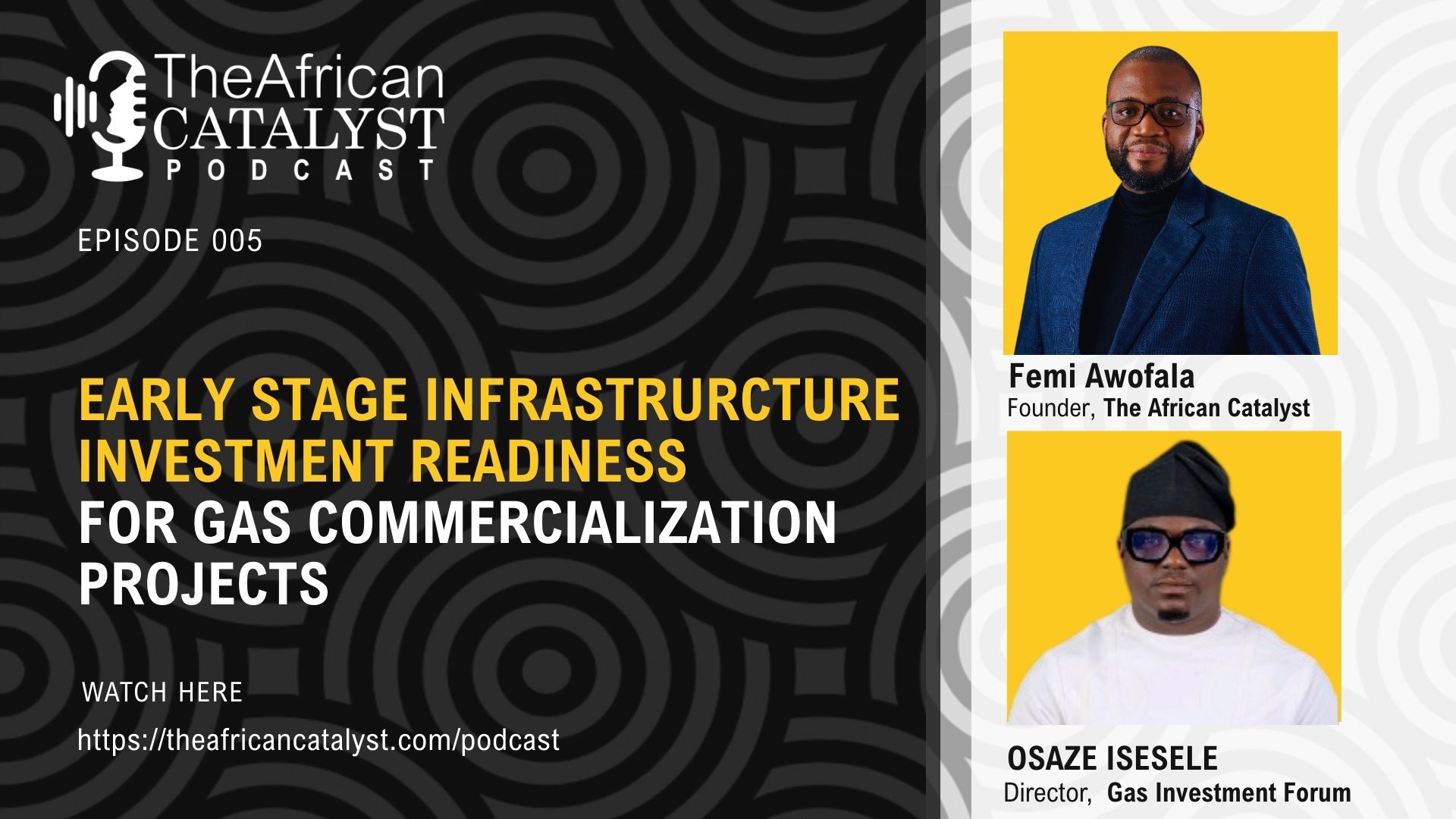
Gas Commercialization: Key Challenges and Solutions | Episode 005
Making Airports PPP Work In Africa: Key Challenges and Solutions1 view1 day ago Pre-Financing Stage_DFIP14 views2 weeks ago Implication for Natural Resource Rich Africa The Nigerian government is…
22 Nov 2025 · 6 min read
Interviews
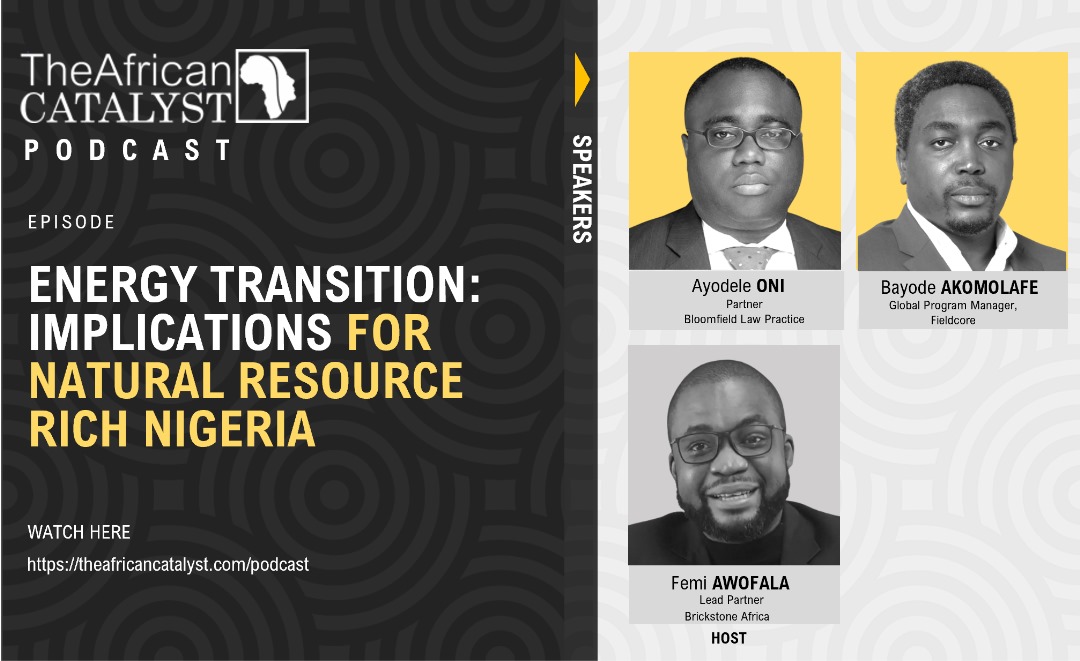
Energy Transition: Implication for Natural Resource Rich Nigeria | Episode 001
Implication for Natural Resource Rich Africa The Nigerian government is committed to achieving a Just Transition for Nigerians as it launched the Energy Transition Plan (ETP) as one…
25 Sept 2023 · 6 min read