

 01
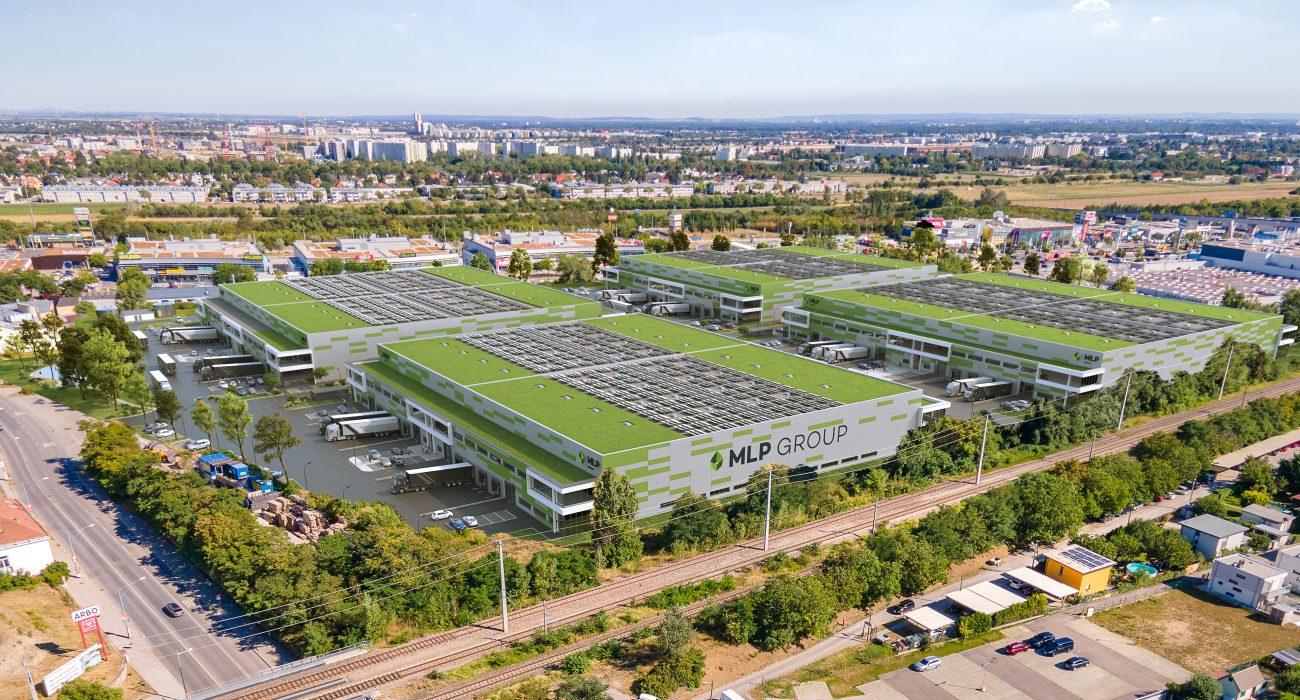
Offtake-Based Green Real Estate
Industrial, commercial, hospitality and social infrastructure.
Learn Programme
Investment Readiness Dealcamp for Large Scale Project Developers
01 Programme Overview
InfraLAB Dealcamp
Building Capable Project Sponsors. Developing Investment-Ready Infrastructure Projects.
A one-week capacity-building and platform-onboarding programme for aspiring infrastructure project sponsors.
The InfraLAB Dealcamp is a one-week intensive capacity-building and onboarding programme developed by The African Catalyst (TAC) to equip aspiring infrastructure project sponsors with the knowledge, practical skills and tools required to conceptualise, structure and advance infrastructure projects towards investment readiness.
Developing an infrastructure project requires more than identifying an opportunity or securing access to land. It demands an understanding of project development, commercial viability, technical considerations, risk allocation, stakeholder engagement and the requirements of potential capital providers.
InfraLAB Dealcamp provides a structured introduction to the infrastructure project development lifecycle and the investment-readiness process, while familiarising participants with the InfraLAB Platform and its project assessment and development framework.
The programme also gives TAC an opportunity to engage directly with aspiring project sponsors, understand their project propositions, assess their preparedness and identify opportunities for further support through the InfraLAB ecosystem.
Why InfraLAB Dealcamp?
Many promising infrastructure opportunities struggle to progress beyond the conceptual stage because their sponsors lack the technical understanding, development capabilities and institutional readiness required to advance them.
The Dealcamp addresses this gap through structured learning, practical exercises, project discussions and platform familiarisation. It helps sponsors understand the requirements of infrastructure project development and how to use the InfraLAB Platform in advancing their projects.
Programme Objectives
Build project sponsor capacity: develop participants’ understanding of infrastructure project development, structuring and investment readiness.
Introduce the InfraLAB framework: familiarise participants with TAC’s approach to project assessment, viability evaluation and investment-readiness support.
Facilitate platform onboarding: guide participants through registration, profile development and the use of the InfraLAB Platform to submit and manage project information.
Understand project opportunities: provide an opportunity for participants to introduce proposed projects and discuss their development status, opportunities and challenges.
Assess sponsor preparedness: help TAC understand participants’ institutional capacity, project ownership, development experience and readiness to advance their propositions.
Identify further development needs: highlight gaps in project preparation and identify appropriate pathways for further engagement through InfraLAB.
Who Should Participate?
Aspiring project sponsors: entrepreneurs and organisations seeking to develop infrastructure projects and requiring a better understanding of project development and investment readiness.
Existing project developers: developers with projects at conceptual, pre-feasibility or early development stages seeking to strengthen their propositions.
Landowners and asset owners: individuals and institutions seeking to unlock the infrastructure or commercial development potential of land and assets.
Public-sector project promoters: government agencies, public institutions and subnational entities seeking to develop infrastructure projects and attract private-sector participation.
Corporate and institutional sponsors: companies, family offices and institutions seeking to originate and develop infrastructure or industrial investment opportunities.
02 InfraLAB Project Focus Areas & Sponsor Groups
InfraLAB Dealcamp currently focuses on six priority infrastructure and industrial development areas. Participants will be assigned to sector-specific sponsor groups based on the nature of their proposed projects. This enables focused learning, peer engagement, project discussions and a better understanding of the development requirements within each sector.
Industrial & Production Real Estate: industrial parks, manufacturing facilities, special economic zones, logistics parks and production-oriented developments.
Commercial & Hospitality Real Estate: office developments, mixed-use commercial properties, retail centres, hotels and hospitality infrastructure.
Mission-Critical & Social Infrastructure Real Estate: data centres, hospitals, healthcare facilities, educational institutions, student accommodation and other essential infrastructure developments.
Minerals and Metal-Based Industries: mineral processing, metal refining, smelting, beneficiation and downstream manufacturing.
Agriculture-Based Industries: agro-processing, food production, agricultural value chains and industrial-scale agricultural processing.
Hydrocarbon-Based Industries: petrochemicals, refining, gas-based industrial processing and related downstream industries.
Energy & Technology Minerals: lithium, graphite, cobalt, nickel, manganese, copper and rare earth elements.
Industrial & Manufacturing Minerals: iron ore, bauxite, limestone, silica sand, kaolin, feldspar, gypsum and phosphate.
Strategic & High-Value Minerals: gold, platinum group metals (PGMs), tin, tantalum, tungsten, chromium and zirconium.
Surface Transport & Logistics.
Maritime & Aviation Terminals.
Technology, Data & EV Mobility Infrastructure.
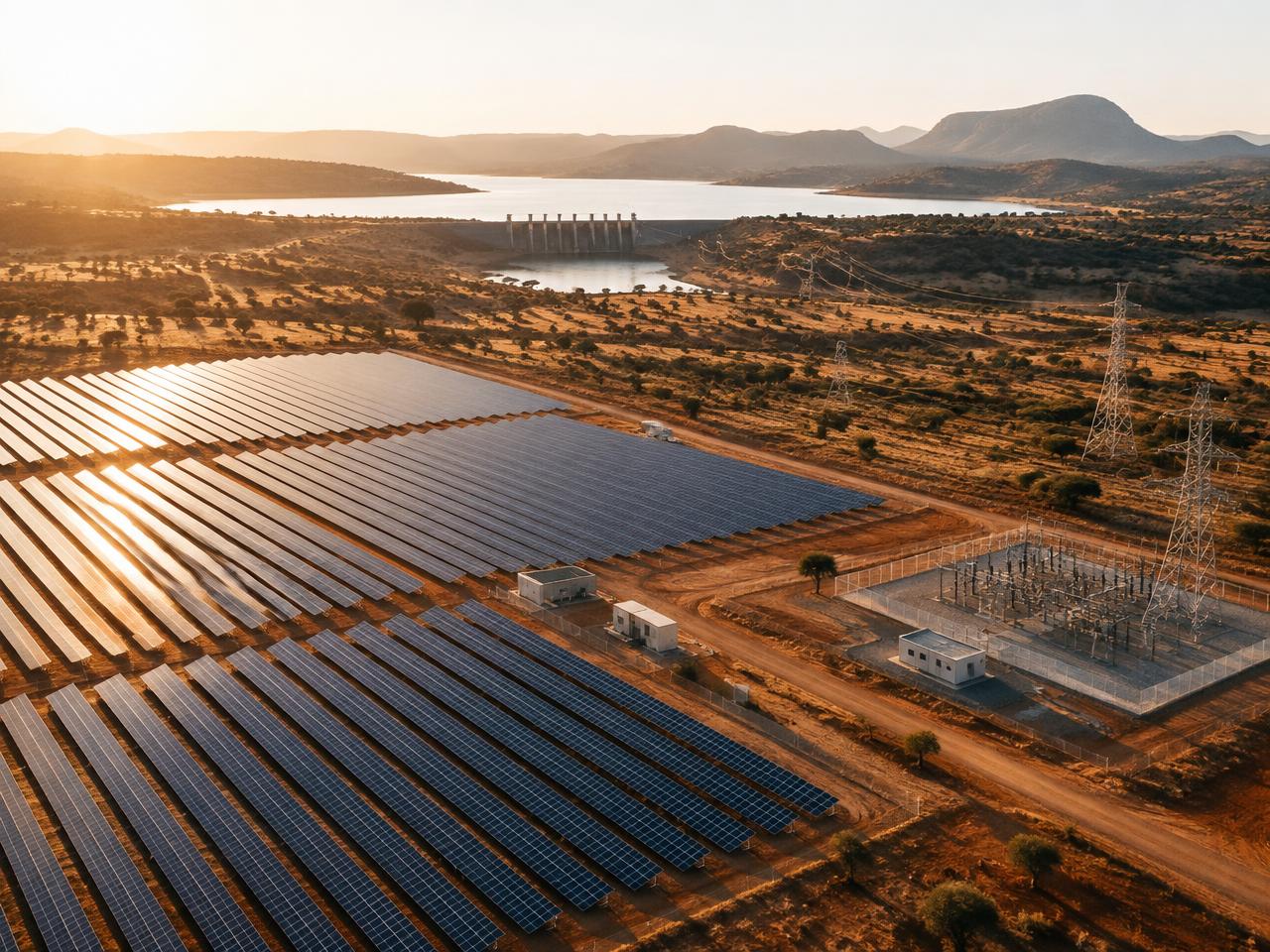
Solar/Wind Power Projects.
Biogas Power Projects.
Gas-Powered Independent Power Projects (IPPs).
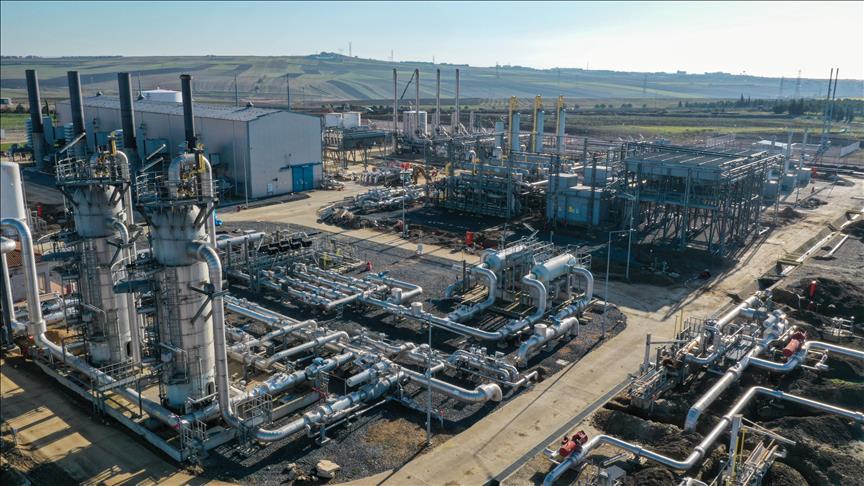
Gas Processing/Gas-to-Power.
Gas-to-Energy Fuels, including LNG, CNG and other gas-derived fuels.
Gas-to-Liquids (GTL).
At a glance: InfraLAB’s six current priority focus areas
The six areas represent InfraLAB’s current priority focus areas and are not exhaustive. Additional sectors and subsectors may be introduced as the platform and ecosystem expand
01Industrial, commercial, hospitality and social infrastructure.
 02
Minerals, agriculture and hydrocarbon industries.
 03
Energy, technology, industrial and strategic minerals.
 04
Surface transport, terminals, data and EV mobility.
 05
Solar, wind, biogas and gas-powered IPPs.
 06
Gas processing, gas-to-fuels and gas-to-liquids.
Upon registration, participants will be assigned to the relevant InfraLAB Dealcamp sponsor group based on their proposed project focus. Each group provides a targeted environment for sector-specific discussions, peer learning and consideration of project development and investment-readiness requirements. This grouping will also help TAC build a structured pipeline of project opportunities and understand support needs across sectors.
03 Universal Dealcamp Training Outline
The training outline below is drawn from the eight modules and nineteen lessons in the InfraLAB Module Library Development Specification, Version 5 (28 October 2026). The same core learning path applies to all participants, irrespective of sector. Sector-specific examples and project discussions can be used within the sponsor groups.
Only module/lesson headings, purpose, learning outcomes and key topics are reproduced in this outline. Assignments, evidence requirements, quality standards and scoring mechanics from the Module Library are intentionally excluded.
Programme Agenda
Purpose: Explains how contracted, creditworthy revenue makes a project financeable, which is the first pillar of bankability.
Learning outcomes
Explain why contracted revenue matters to lenders
Compare revenue structures
Assess offtaker credit and payment security
Key topics
Take-or-pay and other offtake structures
Tariffs and pricing mechanisms
Counterparty credit and payment security
Demand risk and how to reduce it
Matching contract tenor to loan tenor
Purpose: Shows how to structure construction so that cost, time and performance risk is clearly allocated, which is one of the three pillars of bankability.
Learning outcomes
Compare contracting models and choose the one that suits the project
Understand the protections lenders expect in a construction contract
Plan a contractor selection process
Key topics
EPC and turnkey versus multi-contract approaches
Fixed price and date-certain completion
Contractor prequalification and selection
Performance security, liquidated damages and completion tests
Interface risk, the owner’s engineer and the link to operations and maintenance
Purpose: Explains the governance and sustainability standards that financiers expect, which is the third pillar of bankability.
Learning outcomes
Describe the governance framework a project company needs
Identify the sustainability and compliance standards lenders apply
Spot governance and E&S gaps in the project
Key topics
Project company governance: board, reporting and controls
Conflicts of interest, anti-corruption and compliance
Environmental and social management
Lender standards, such as the IFC Performance Standards and the Equator Principles
Sustainability reporting expectations
Purpose: Shows what equity investors and lenders look for in the sponsor and in the way the project company is governed.
Learning outcomes
Describe the governance structure investors expect
Assess the sponsor’s own strengths and gaps
Plan actions to reduce sponsor risk
Key topics
Board composition and independence
Shareholder arrangements, decision rights and reserved matters
Reporting and internal controls
Sponsor track record, capacity and financial standing
What development finance institutions and equity investors check
Purpose: Shows how the right partners strengthen the sponsor’s standing with investors and lenders, and how to secure them on terms that protect the project.
Learning outcomes
Identify the capability, financial or track-record gaps that weaken sponsor credibility
Select partner types that close those gaps
Structure a partnership and run basic due diligence on a partner
Key topics
How investors and lenders judge sponsor credibility: track record, technical capacity, financial standing
Partner types: technical, financial, strategic and local partners
Roles, contributions, decision rights and exit terms
Due diligence on a prospective partner
Heads of terms for a partnership or joint venture
Purpose: Helps the sponsor identify every permit, licence and approval needed from concept to operations, who issues it, and where the project stands today.
Learning outcomes
Identify the permits, licences and approvals the project needs across its lifecycle
Sequence approvals and spot the critical-path items
Track status and evidence in one dashboard a lender can read
Key topics
Types of approval: sector licences, planning and construction approvals, environmental permits, grid or utility connection, import and customs, local government
Issuing authorities, legal basis and typical processing times
Dependencies between permits and the order in which they must be obtained
Common causes of delay and how to manage them
What lenders expect as evidence: permit copies, applications, acknowledgement letters
Purpose: Explains the forms of land tenure and what land rights a lender needs to see before it will finance construction and operations.
Learning outcomes
Distinguish the main forms of tenure and the strength of each
Test whether current rights are sufficient for construction and for the full financing period
Identify land gaps and the actions needed to close them
Key topics
Tenure types: freehold, leasehold, statutory or granted rights of occupancy, concessions, customary rights
Title verification, searches and encumbrances
Access, rights of way and easements
Government consents and approvals for land use
Matching the length of land rights to the loan tenor
Purpose: Shows how to organise the project company and its contracts so that risks sit with the parties best able to manage them.
Learning outcomes
Describe a project company structure and its shareholders’ arrangements
Map the contract web around the project
Prepare a risk allocation matrix
Key topics
Project company (SPV) and limited-recourse basics
Shareholders’ agreement essentials
Contract web: offtake, construction, operations, supply and concession agreements
Risk allocation matrix
Security package and lender protections
Purpose: Teaches sponsors to build one integrated schedule that connects permits, land, studies, procurement, contracts and financing to financial close.
Learning outcomes
Build an integrated schedule
Identify the critical path
Tie schedule milestones to the gates and to financing conditions
Key topics
Workstreams: permits, land, studies, procurement, contracts and financing
Dependencies and critical path
Conditions precedent to financial close
Resourcing and responsibilities
Schedule risk and contingency
Purpose: Gives the sponsor a practical checklist for acquiring land responsibly, so that rights are secure and community and social risks are managed.
Learning outcomes
Run a structured land acquisition from due diligence to registration
Plan fair engagement and compensation with owners and occupants
Document agreements so they stand up to lender due diligence
Key topics
Due diligence on owners, occupants and competing claims
Community engagement and consent
Compensation and resettlement principles, including the IFC Performance Standard on land acquisition
Recording and registering agreements
Grievance mechanism, cost and schedule
Purpose: Helps sponsors commission, or re-scope, a technical study that answers the questions lenders and their technical advisers will ask.
Learning outcomes
Define the scope of technical studies needed for the project
Write terms of reference that produce a usable study
Evaluate and manage consultants
Key topics
Scope of a technical study: site, resource or demand, design, capacity, capital and operating cost estimates
What a lenders’ technical adviser reviews
Contents of a terms of reference
Consultant selection, deliverables and acceptance criteria
Budget and timeline
Purpose: Gives sponsors a practical way to screen environmental and social risk early and scope the studies required.
Learning outcomes
Screen and categorise project E&S risk
Identify applicable national requirements and lender standards
Scope the studies and management plans needed
Key topics
Screening and categorisation
Baseline data and sensitive receptors
Stakeholder mapping
ESIA scoping and typical studies
E&S risks, management plans and budget
Purpose: Shows how to move from letters of intent to a binding offtake agreement that lenders will accept, and how to commission the support needed to get there.
Learning outcomes
Distinguish letters of intent, term sheets and binding agreements
Identify the key terms lenders test
Write terms of reference to engage the adviser who will prepare and negotiate the offtake agreement
Key topics
LOI, MOU, term sheet and binding agreement compared
Key terms: volume, price, tenor, termination, payment security and change in law
Offtaker credit assessment
Negotiation approach and timeline
Bankability tests applied to an offtake agreement
Contents of a TOR for legal or commercial advisers and selection criteria
Purpose: Helps sponsors test and evidence demand for what the project will produce or provide.
Learning outcomes
Size the addressable market
Choose methods to validate demand
Scope an independent demand study
Key topics
Market sizing and buyer identification
Price and competition
Validation methods: surveys, pre-sales, LOIs, market data
When an independent study is needed
Linking demand evidence to the financial model
Purpose: Guides sponsors to a preliminary financial model that shows how the project performs and what financing it can support.
Learning outcomes
Explain the structure of a project finance model
Prepare and document key assumptions
Read the headline outputs and sensitivities
Key topics
Model structure and timeline
Inputs: capital cost, operating cost, revenue, financing terms and tax
Outputs: cashflow, debt service cover, returns and loan life cover
Scenarios and sensitivities
Model integrity and assumptions book
Purpose: Introduces the instruments that can strengthen a project’s credit so that financing becomes available or cheaper.
Learning outcomes
Name the main credit enhancement instruments
Judge which could suit the project
Understand the process and cost of obtaining them
Key topics
Guarantees: partial credit and partial risk
Political risk insurance
Development finance institution instruments
Letters of credit, escrow and payment security
Blended finance and first-loss structures
Purpose: Maps the path from the project’s current stage to financial close, and shows how each type of capital fits along the way.
Learning outcomes
Map milestones from today to financial close
Sequence seed equity, development equity and construction debt
Identify decision points and risks
Key topics
Milestones and conditions precedent
Financing options and their sequencing
Budget for the development phase
Decision points and dependencies
Roadmap risks and mitigations
Purpose: Prepares the sponsor for the due diligence that investors and lenders will carry out, and for the work that must be done before it starts.
Learning outcomes
List the due diligence workstreams and what each checks
Organise a data room
Estimate time and cost
Key topics
Due diligence workstreams: technical, legal, financial, commercial, environmental and social, insurance and tax
Data room structure and index
Responsibilities and timeline
Cost estimates
Readiness gaps and how to close them
Purpose: Brings the project’s work together in an investor-ready presentation for development finance institutions and equity investors.
Learning outcomes
Tell the project’s story in a clear investment narrative
Tailor the message to different investor types
Prepare for investor questions
Key topics
Storyline: opportunity, market and offtake, project and technical, risks and mitigation, commercial structure, financials, financing needs, team and roadmap
Consistency with the model and the data room
Tailoring for development finance institutions and equity investors
Presenting and handling questions
04 Dealcamp Experience & Delivery
Structured learning: guided sessions covering the fundamentals of infrastructure project development and investment readiness.
Practical project exercises: applied exercises that help participants examine real-world project development considerations using their own proposed projects where appropriate.
InfraLAB Platform demonstration: guided introduction to the platform, its functionalities and the project submission and assessment process.
Project discussions: opportunities to introduce and discuss proposed infrastructure projects and their current development status.
Sponsor engagement: direct interaction with TAC’s programme team to understand requirements and potential pathways for further InfraLAB engagement.
05 What Happens After the Dealcamp?
Completion of the InfraLAB Dealcamp provides participants with an introduction to the InfraLAB ecosystem and a clearer understanding of the requirements for advancing their projects.
Project Registration: completion of the relevant project and sponsor information on the InfraLAB Platform.
Initial Project Review: preliminary review of submitted project information to understand the project’s development status and key characteristics.
Infra-Viability Assessment: identification of critical development, commercial, technical and institutional considerations affecting the project’s viability.
Investment Readiness Pathway: where appropriate, identification of a structured pathway for addressing project development gaps and progressing towards investment readiness.
Ecosystem Engagement: where relevant, opportunities for engagement with technical experts, project enablers and potential capital providers within the wider InfraLAB ecosystem.
Participation in the Dealcamp does not guarantee project admission into subsequent InfraLAB programmes, investment-readiness certification or access to financing. Further engagement is subject to the applicable assessment and selection processes.
06 About InfraLAB
The InfraLAB (African Catalyst Investment Readiness Laboratory) is an initiative of The African Catalyst designed to accelerate the development and investment readiness of infrastructure and industrial projects across Africa.
Through a combination of project assessment, structured development support, capacity building and ecosystem engagement, InfraLAB seeks to address the gaps that prevent promising infrastructure opportunities from progressing towards bankability and attracting appropriate investment.